The world of online casino gaming has evolved dramatically over the past two decades, transforming from an unregulated frontier into a sophisticated entertainment industry with robust player protection mechanisms. While the thrill of casino games continues to attract millions of players worldwide, the conversation has rightfully shifted toward ensuring this entertainment remains enjoyable rather than destructive. Responsible gaming practices serve as the cornerstone of this transformation, bridging the gap between recreational fun and potential harm.
Understanding the Line Between Entertainment and Dependency
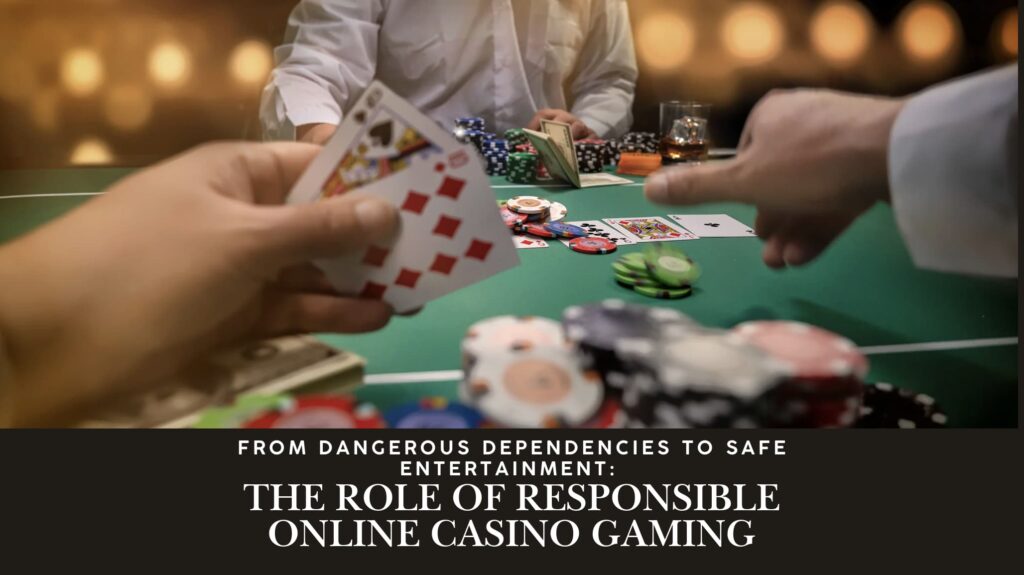
Healthy casino gaming means treating it as one form of entertainment among many in a balanced lifestyle. Players who engage responsibly set clear boundaries for their time and money, never risking more than they can comfortably afford to lose. They view wins as pleasant surprises rather than expected outcomes.
The warning signs of problematic gaming behavior often emerge gradually and can be subtle at first. These include chasing losses with increasingly larger bets, lying to friends or family about gaming activities, or feeling irritable when unable to play. Other red flags involve neglecting work or personal responsibilities, borrowing money to fund gaming sessions, or experiencing relationship difficulties due to gaming habits.
Understanding what makes casino games attractive helps players maintain perspective and control. The combination of excitement, occasional wins, and the escape from daily stress creates a powerful psychological draw. When players recognize these mechanisms, they’re better equipped to enjoy games mindfully rather than compulsively.
Key Principles of Responsible Online Casino Gaming
The foundation of responsible gaming rests on establishing personal limits before starting any gaming session. Time limits ensure that casino entertainment doesn’t encroach on other important life activities, while financial limits protect players from spending beyond their means. These boundaries should be set during calm moments rather than in the heat of gameplay.
Self-awareness represents another critical component of responsible gaming practices. Players should regularly assess their motivations for playing and their emotional state during sessions. Honest self-reflection helps identify whether gaming remains genuinely entertaining or has become a coping mechanism for stress or other life challenges.
Essential responsible gaming practices include:
- Never gambling with money needed for bills, rent, or other essential expenses
- Taking regular breaks during gaming sessions to maintain perspective
- Avoiding alcohol or substances that impair judgment while playing
- Setting win and loss limits before starting each session
- Keeping track of time and money spent on gaming activities
- Never attempting to recover losses through continued play
Tools and Features That Promote Safe Gaming
Modern online casinos offer an impressive array of tools designed to help players maintain control over their gaming activities. Deposit limits allow players to cap how much money they can add to their accounts within specific timeframes, whether daily, weekly, or monthly. Loss limits function similarly, preventing players from losing more than predetermined amounts.
Self-exclusion options provide a powerful safeguard for players who recognize they need a break from gaming. These features allow individuals to block their access to casino platforms for periods ranging from days to years. Many jurisdictions also maintain centralized self-exclusion registries that prevent problem gamblers from accessing any licensed operator.
Available protective features typically include:
- Customizable deposit and wagering limits
- Reality check notifications that display time and money spent
- Cool-off periods ranging from 24 hours to several weeks
- Permanent self-exclusion options
- Account history access for reviewing gaming patterns
- Direct links to professional support organizations
Session timers and reality checks interrupt gameplay at regular intervals to remind players how long they’ve been playing. These moments of pause help combat the time-distortion effect that often occurs during engaging activities. Many players find these interruptions invaluable for maintaining awareness and making conscious decisions about continuing or stopping.
The Industry’s Role in Player Protection
Licensed online casino operators carry significant responsibilities for promoting responsible gaming among their customers. Regulatory bodies worldwide mandate specific player protection measures that operators must implement to maintain their licenses. These requirements ensure that responsible gaming isn’t merely optional but fundamental to business operations.
Age verification represents one of the most critical protective measures implemented by legitimate operators. Rigorous identity checks prevent minors from accessing gambling platforms, protecting vulnerable young people from potential harm. Modern verification systems use advanced technology to confirm age and identity before allowing any real-money gaming.
Key industry responsibilities encompass:
- Providing clear information about game odds and house edges
- Training customer service staff to identify and assist struggling players
- Offering easy access to responsible gaming tools within user interfaces
- Contributing to research and treatment programs for problem gambling
- Maintaining transparent policies regarding bonuses and wagering requirements
- Partnering with organizations that specialize in gambling addiction support
Support resources provided by reputable operators extend beyond technical tools to include educational materials and direct connections to help organizations. Many casino websites feature dedicated responsible gaming sections with information about recognizing problem gambling and accessing professional assistance. This proactive approach demonstrates the industry’s growing commitment to player welfare.
Building a Sustainable Gaming Mindset
The most successful approach to casino gaming treats it as paid entertainment rather than a potential income source. Players should view their gaming budget as the cost of entertainment, similar to movie tickets or concert admissions. Any winnings become pleasant bonuses rather than expected financial gains.
Maintaining balance requires integrating casino gaming into a diverse range of activities and interests. Players who pursue multiple hobbies, maintain strong social connections, and prioritize work and family responsibilities naturally limit gaming’s role in their lives. This balanced approach prevents any single activity from dominating attention or resources.
Recognizing when to seek help demonstrates strength rather than weakness. Professional support becomes advisable when gaming causes financial stress, relationship problems, or emotional distress. Organizations like Gamblers Anonymous, national gambling helplines, and licensed therapists specializing in behavioral addictions offer effective assistance for those struggling with gaming-related issues.
Conclusion
Responsible online casino gaming transforms a potentially risky activity into safe, enjoyable entertainment through conscious practices and industry safeguards. By setting clear boundaries, utilizing available protective tools, and maintaining perspective about gaming’s role in life, players can experience the excitement of casino games without negative consequences. The journey from dangerous dependencies to safe entertainment requires commitment from both individual players and the gaming industry, creating an environment where recreational fun remains exactly that—recreational.